
Heritage record
Chir Tope Site (Dharma Rajika)
PunjabStupa & MonasteryWorld Heritage propertyProtected
This archaeological site of Dharmarajika is one of the earliest stupas comprising of a main stupa and several small stupas and monastery. The main stupa stands like early stupas on a circular platform, ascended by four flights of steps, one at each of the cardinal points. The outer facing is of huge lime-stone blocks with chiseled kanjur stone let in between them for the mouldings and pilasters. The monastery to the north by north-east of the main stupa, consists of three successive occupational levels. This is also called Chir Tope because of the slit in the middle of the stupa as a result of illegal digging. It is believed that the Dharmarajika Stupa was built over the remains of an even older stupa that had been built by the Mauryan emperor King Ashoka in the 3rd century BCE.The stupa was believed to have been reestablished in the 2nd century CE during the Kushan era in order to house relics of the Buddha, which may have been sourced from earlier monuments. Buddhist texts mention that frankincense was used during religious services at Dharmarajika, while the complex was paved with colourful glass tiles. Indo-Greek coins found at the site date from the 2nd century BCE, suggesting earliest possible establishment of a religious monument at the site.
Small stupas that predate the main stupa are found throughout the Dharmarajika site, and surrounded an earlier core stupa in an irregular layout. It is known that the earlier core stupa contained a pathway for circumambulation that was made of plaster, and decorated with shell bangles in geometric patterns. The earlier stupa likely had four gates in axial directions. The site came under control of Persian Sassanid rule, and suffered a period of stagnation. Large-scale developments took place during the late Kushan and Kidarite era which added numerous monasteries and stupas to the site.
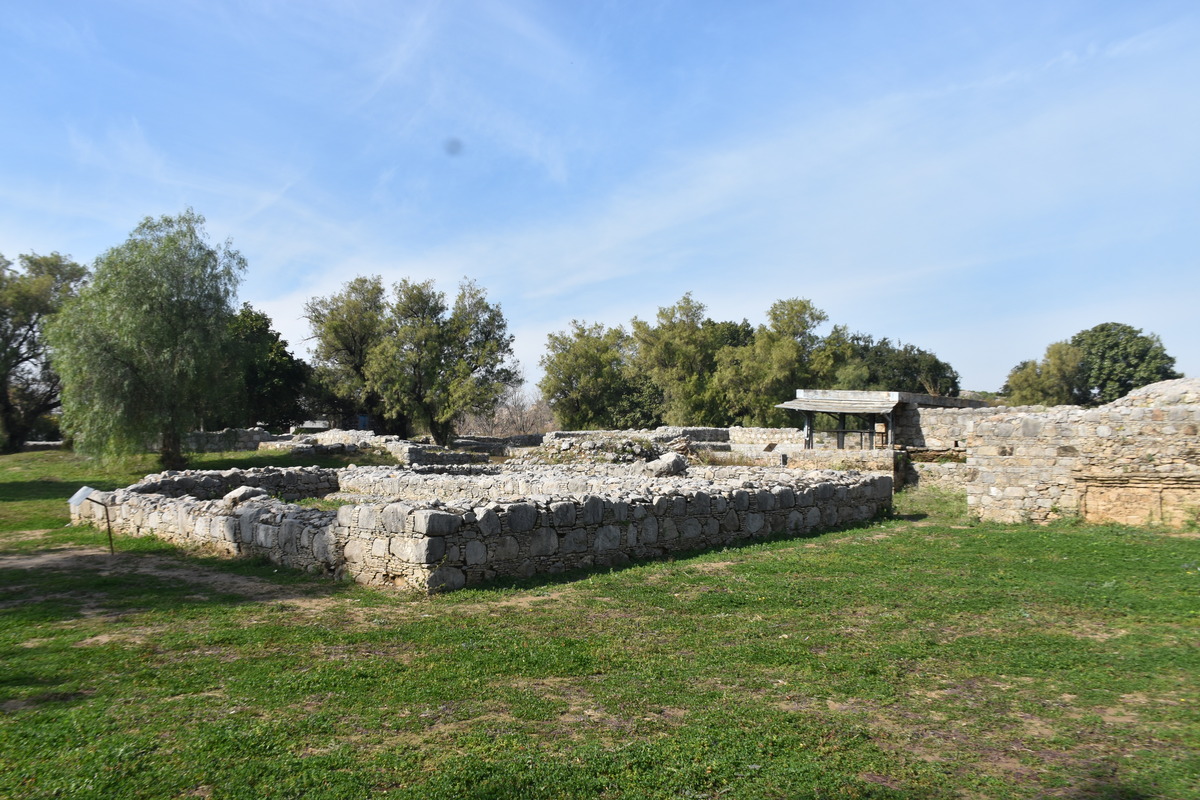
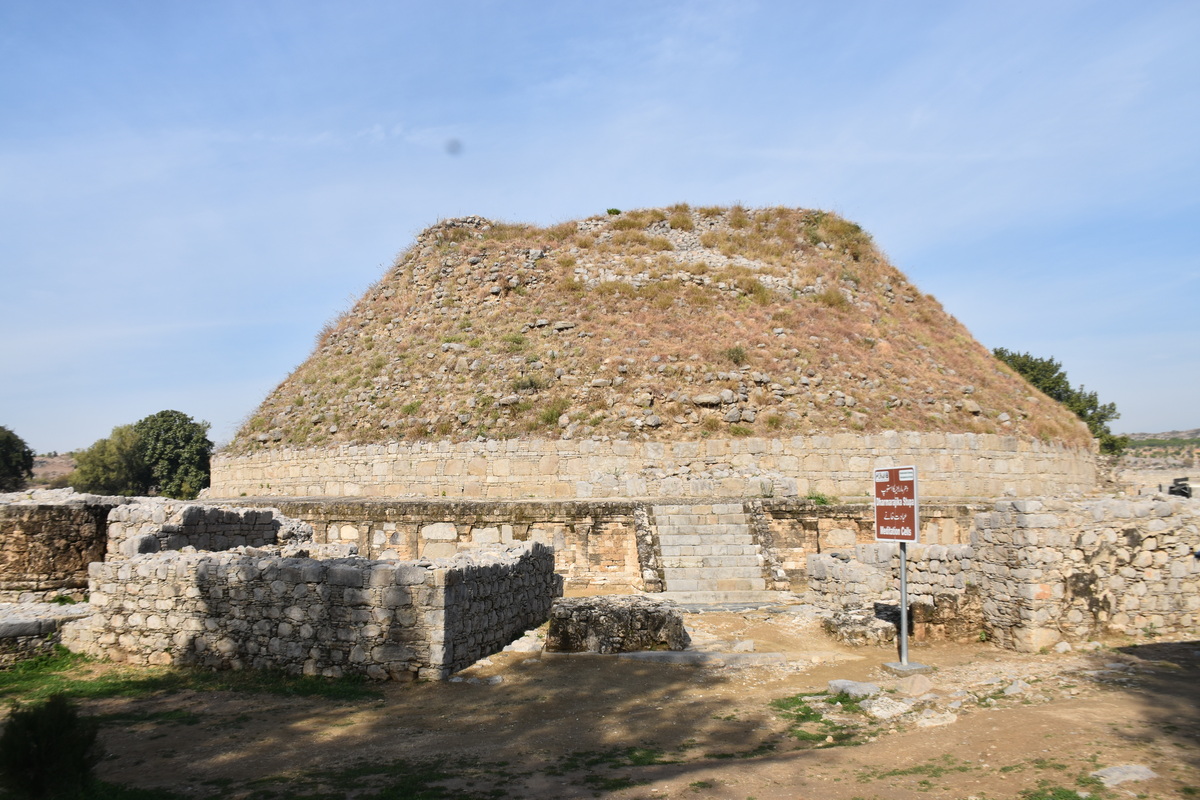
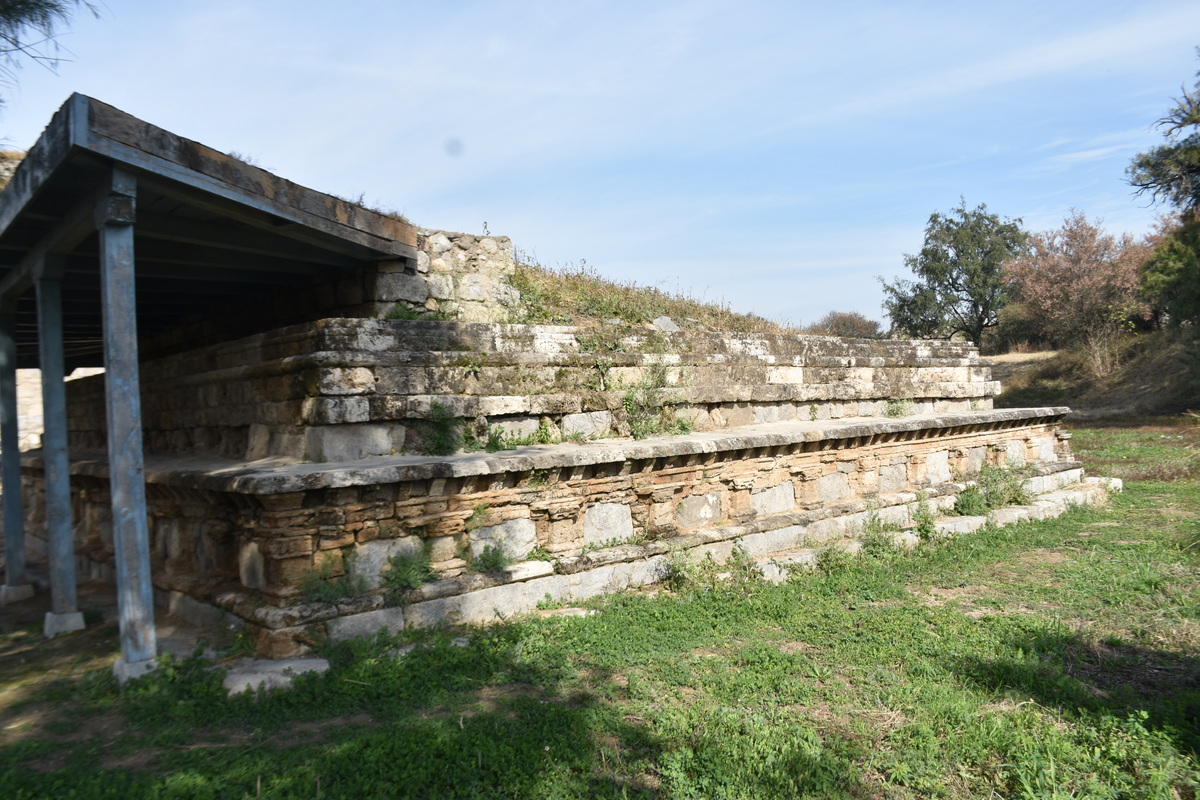
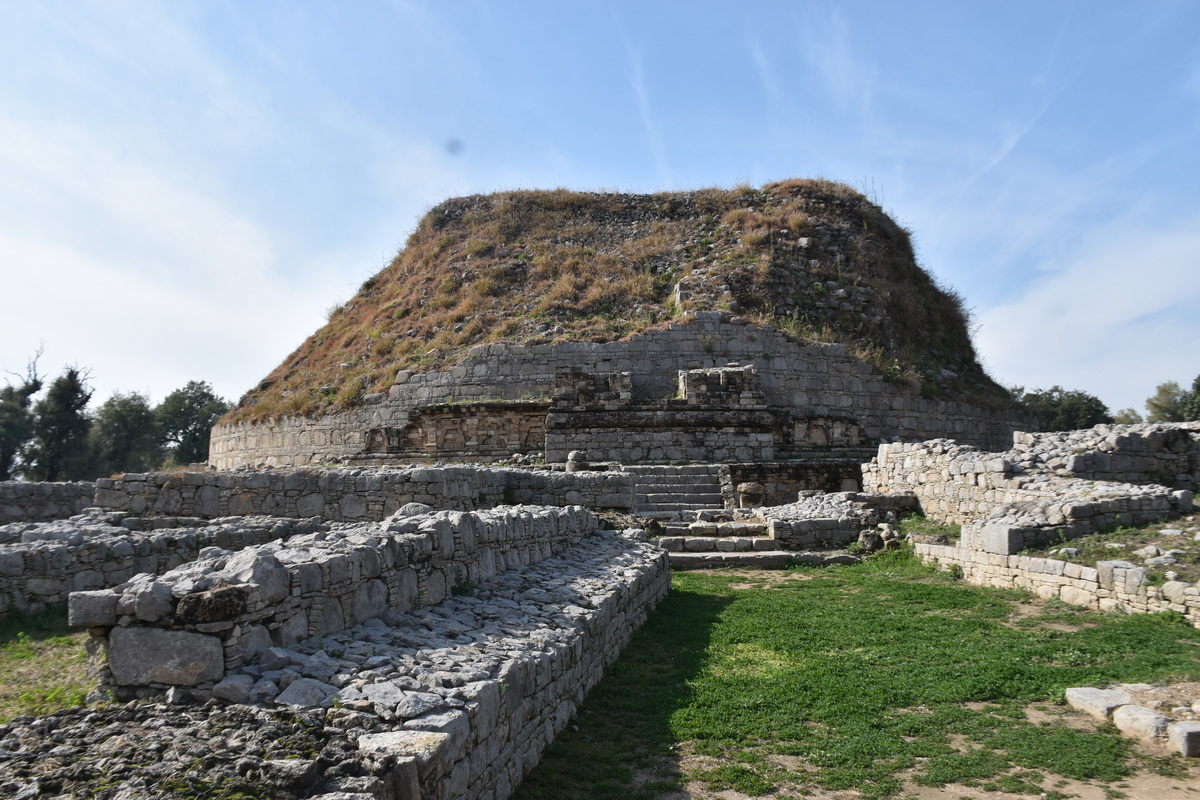
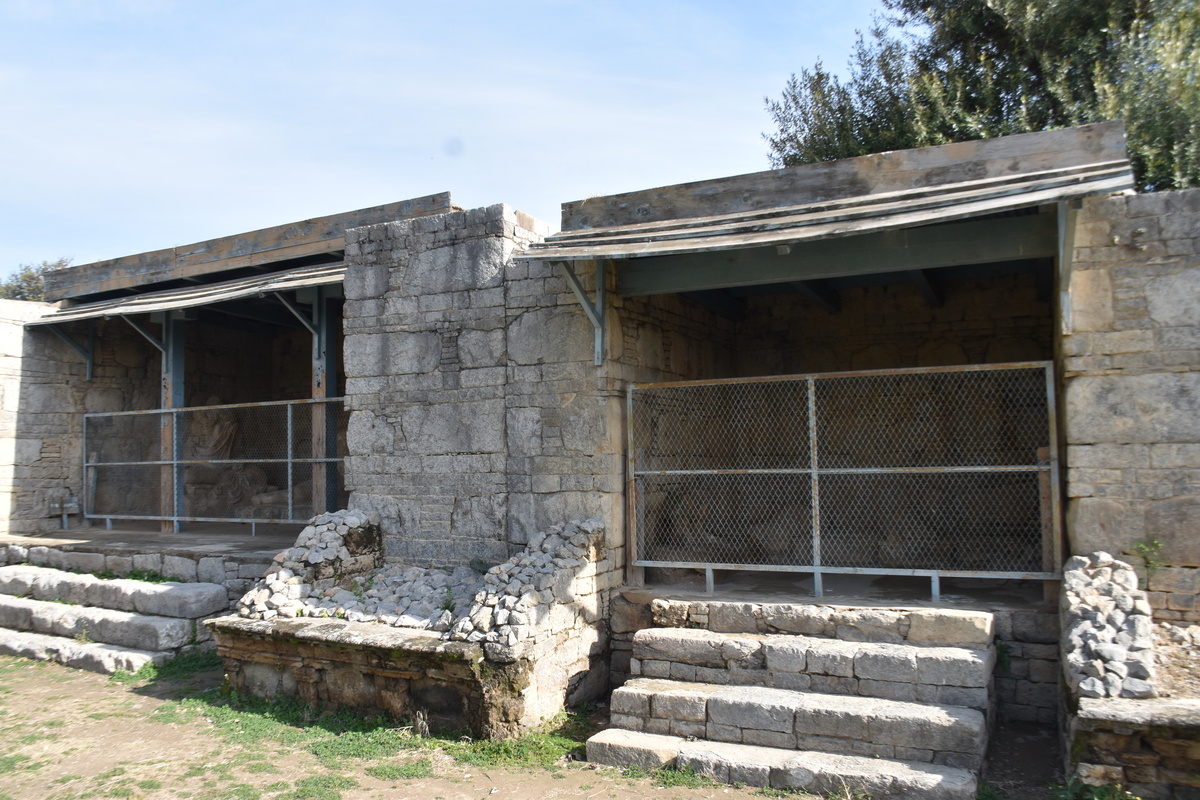
Photographs: Department of Archaeology & Museums national inventory record, displayed from the official source (doam.gov.pk). Not PWHI photography.
- Record ID
- 6411
- Province / territory
- Punjab
- District
- Rawalpindi
- Typology
- Archaeological Site
- Subtype
- Stupa & Monastery
- Period
- Historic
- Legal status
- Protected by The Antiquity Act 1975 (As amended in 1992) (instrument: Protected by The Antiquity Act 1975 (As amended in 1992))
- World Heritage
- Taxila
- Coordinates
- 33.74454, 72.84212 — source-provided, not field-verified
- Verification status
- source_record; automatically_standardized; verification_required
- Sources
- Khan, Ahmad Nabi. (1987). Archaeological Sites and Historical Monuments Protected Under the Antiquities Act, 1975. Federal Department of Archaeology & Museums, Government of Pakistan, Islamabad.
Found an error in this record? Submit a correction — quote record ID 6411.
Pakistan's Heritage Digital Ecosystem: Heritage Atlas · PWHI · Visual Record · Forum