
Heritage record
Kos Minars (Minola)
PunjabTowerProtected
The Muslim Emperors of South-Asian sub-continent took good care of the major roadways leading to the Grand Trunk Roads as named by the British. It connected the middle Gangetic plans with the Khyber Pakhtunkhwa and was the back-bone of communication in ancient period. It was the main channel of international and inter-regional trade. A part of it was repeatedly traversed by the Mughals and their courtiers on their periodical visits to Kashmir. In 1609, Emperor Jahangir ordered a small minaret like monuments to be built at every Kos along the G.T. Road. The Kos was an ancient measure of the territory distance which varied from time to time. It was derived from Krosa meaning a cry used as an indication of distance as early as 300B.C. The other Kos Minars are in ruined condition.
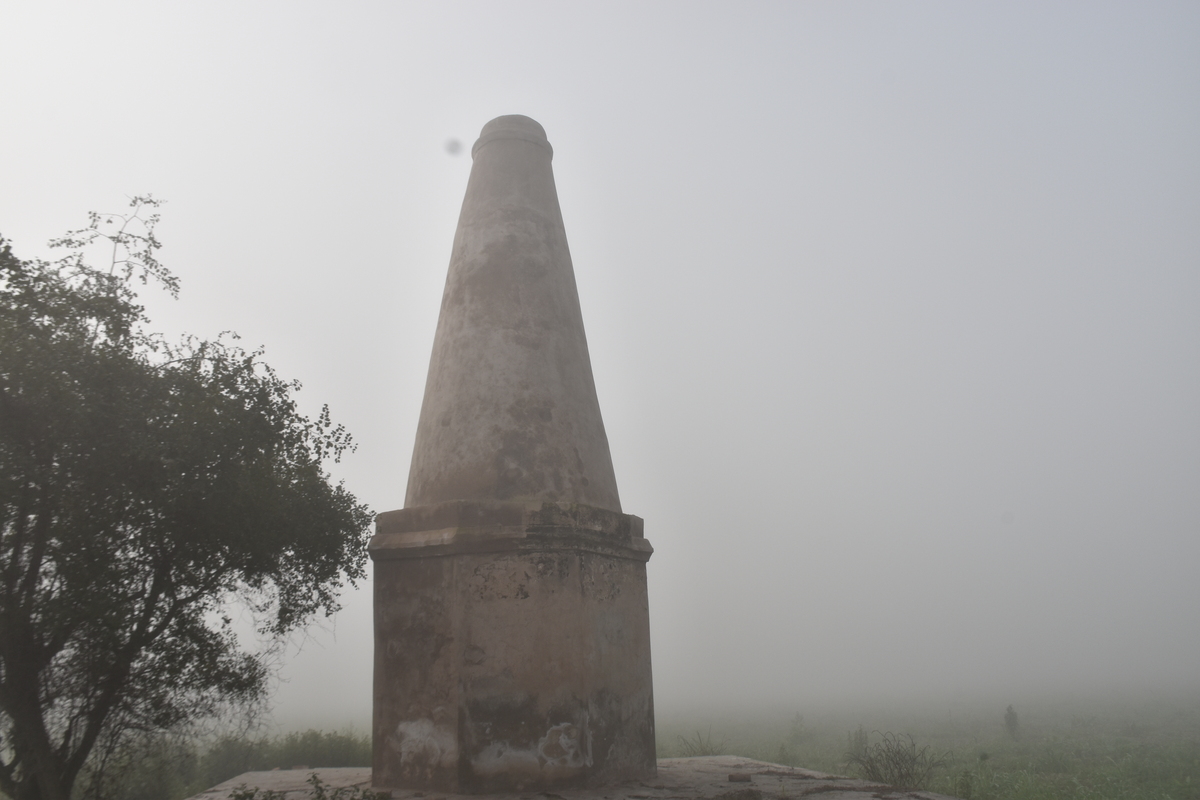
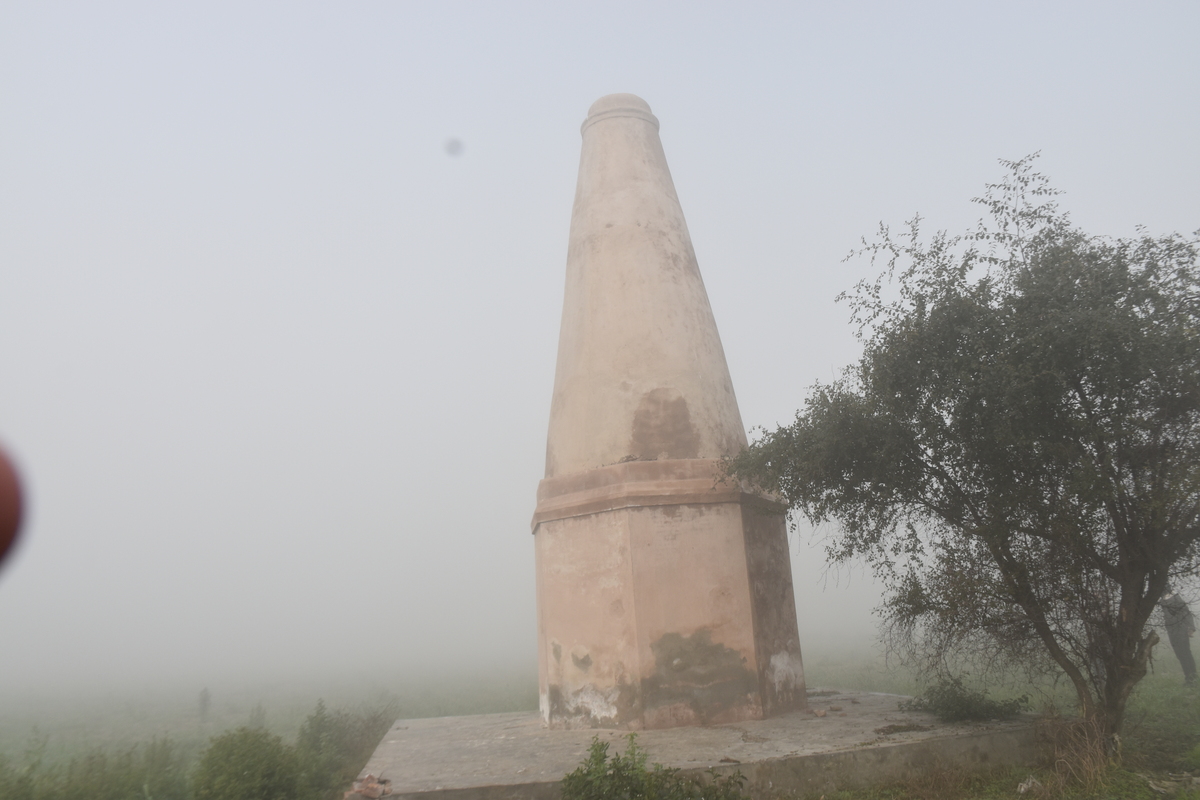
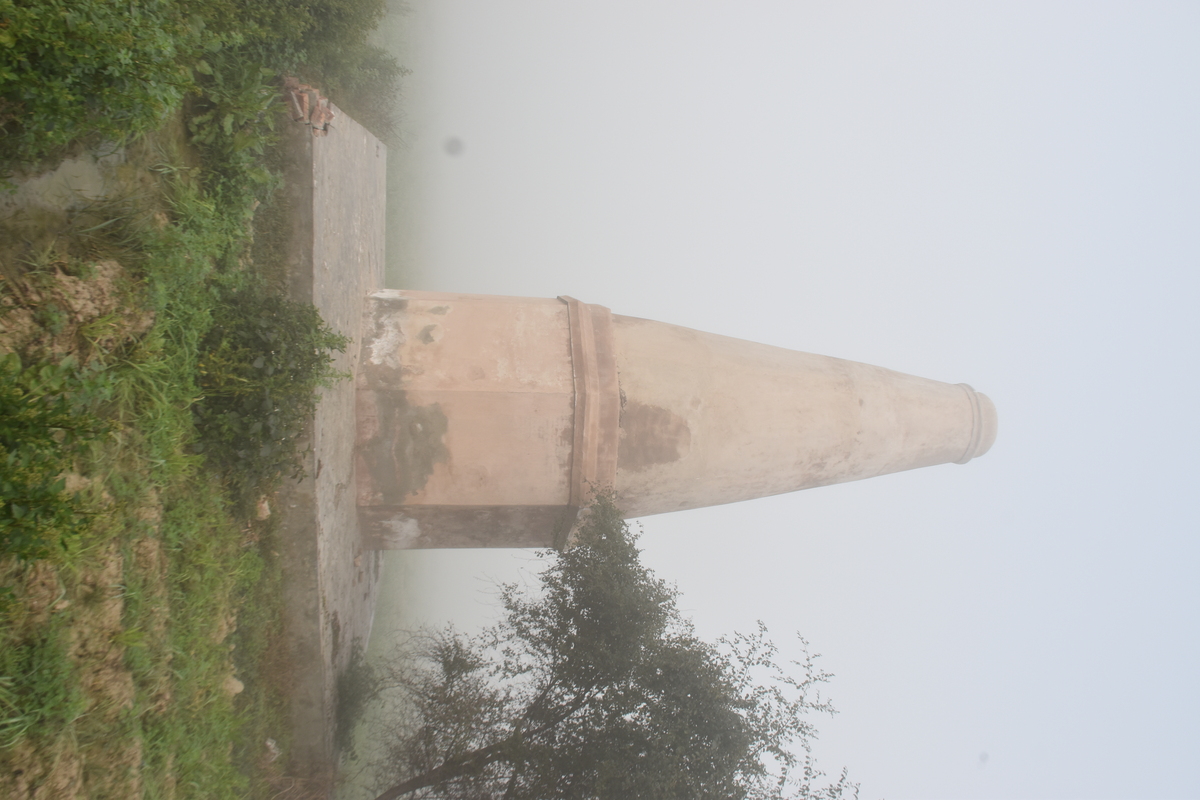
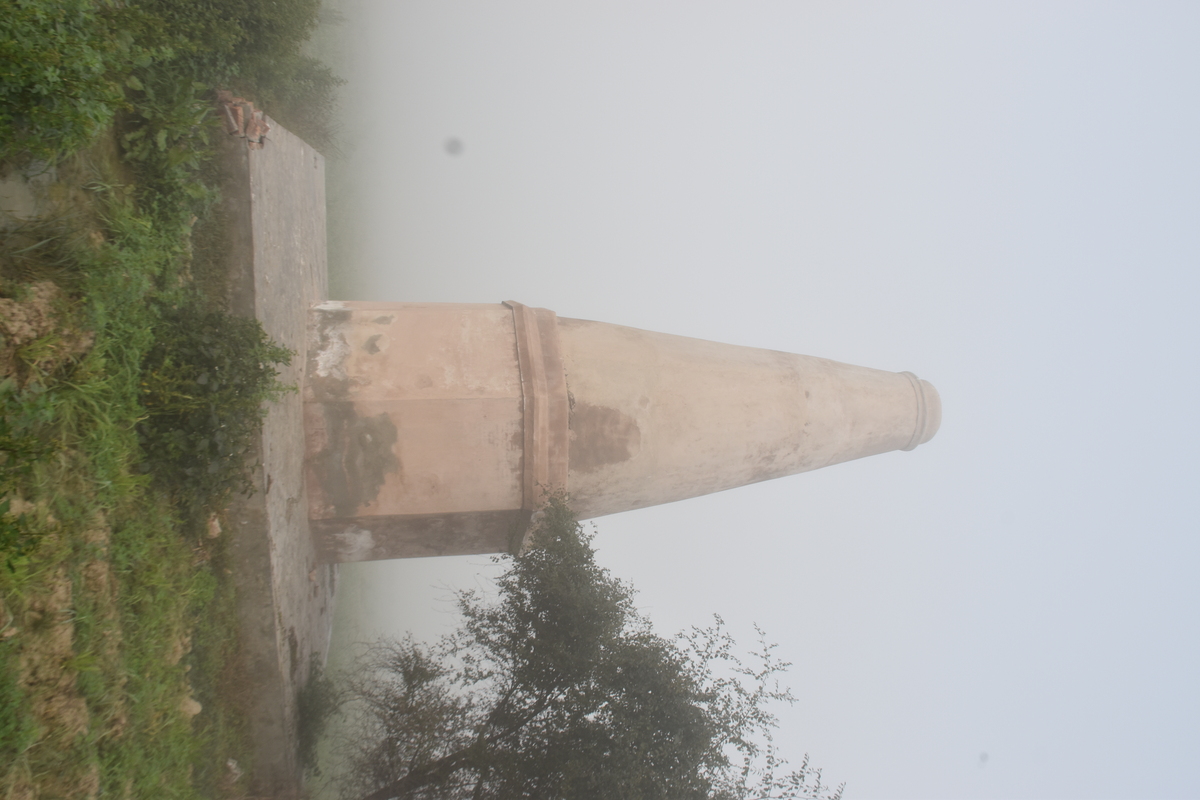
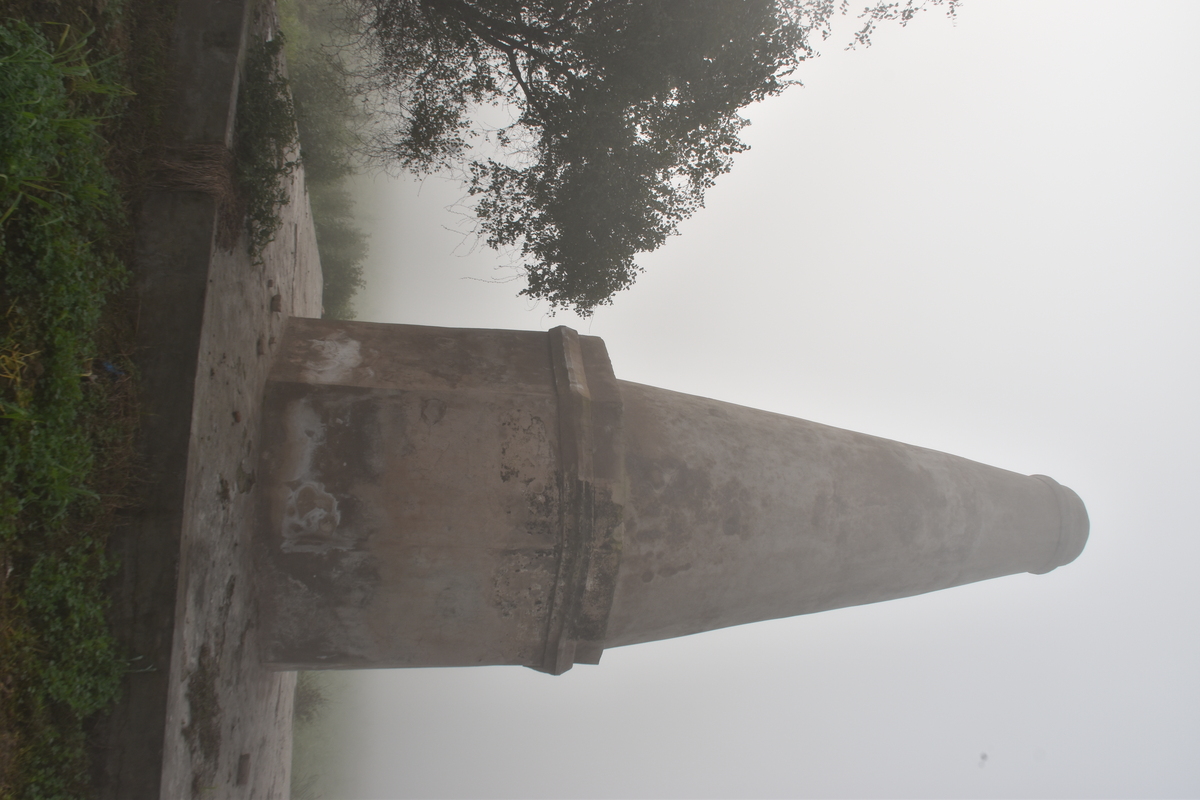
Photographs: Department of Archaeology & Museums national inventory record, displayed from the official source (doam.gov.pk). Not PWHI photography.
- Record ID
- 6501
- Province / territory
- Punjab
- District
- Lahore
- Typology
- Monument
- Subtype
- Tower
- Period
- Historic
- Legal status
- Protected by The Antiquity Act 1975 (As amended in 1992) (instrument: Protected by The Antiquity Act 1975 (As amended in 1992))
- Coordinates
- 31.54064, 74.48642 — source-provided, not field-verified
- Verification status
- source_record; automatically_standardized; verification_required
- Sources
- Khan, Ahmad Nabi. (1987). Archaeological Sites and Historical Monuments Protected Under the Antiquities Act, 1975. Federal Department of Archaeology & Museums, Government of Pakistan, Islamabad.
Found an error in this record? Submit a correction — quote record ID 6501.
Pakistan's Heritage Digital Ecosystem: Heritage Atlas · PWHI · Visual Record · Forum