
Heritage record
Bihal Baoli (a sacred spring)
Azad Jammu and KashmirBaoli (Stepped Well)Protected
The site is located 5 km east of Khoi Ratta in village Bihal near Sihol Nala. The site is approached by Dheri Gathran Road. Bihal Baoli is square in plan, with rectangular water tank and three encasing walls with high reliefs of anthropomorphic or theomorphic and decorative ornaments. Particularly in Kashmir area baolis were constructed on springs because of the presence of innumerable springs in entire area of Jammu and Kashmir. Bihal baoli is a sacred spring devoted to Hindu community. As the whole structure, being a religious place and the reliefs of the adorned walls are partially recognizable. There are three facades of baoli i.e., northern, southern and western with highly decorative ornamentation. The importance of baoli is due to the presence of inscription plaque, carved with Sharda script. The baoli is in a dilapidated condition because of the presence of Muslim majority in Bihal village. People of this village sometimes use this baoli only for hauling water for their domestic purposes. Due to the negligence of poor conservation by any Institute/Organization and local people, it is gradually disintegrating day by day. Other reason of its dilapidated condition is that it is open to climatic conditions as open shrine facing directly the environmental conditions. On the other side the stone block contains lots of vegetation which is destroying the structure. Southern side of facade is severely destroyed because of the severe climatic conditions, vegetation and negligible state of the structure. Many stone blocks unattached to the structure are scattered around. According to the commentary of Dr. Lalit Gupta (2015) as a result of email discussion by the researcher; baolis are unique example of traditional water harvesting cultural practice in North-Western Himalayas. This practice has roots in community management of water resources for drinking or other needs of the people. The local communities had the right of ownership over the use of local natural resources and the state recognized the right. Water was revered and regarded as sacred. Since the water bodies were considered to be sacred, they were well maintained. Baolis are designed to collect water from subterranean springs. The flow of these springs is very sensitive and can be disturbed by seismic activity and human disturbance. In Jammu region many baolis have dried up owing to tremors of earthquakes.
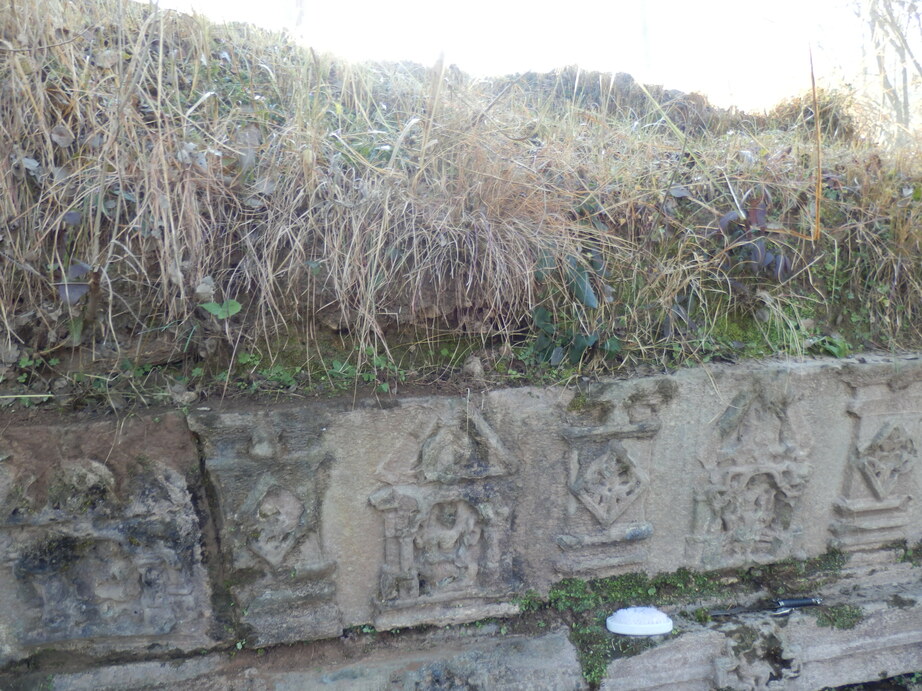
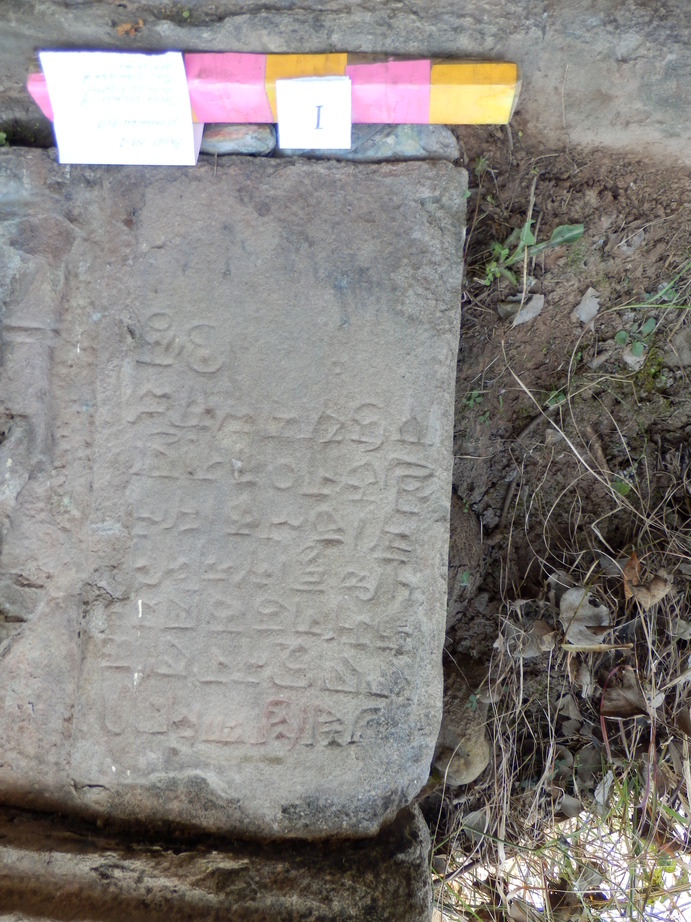
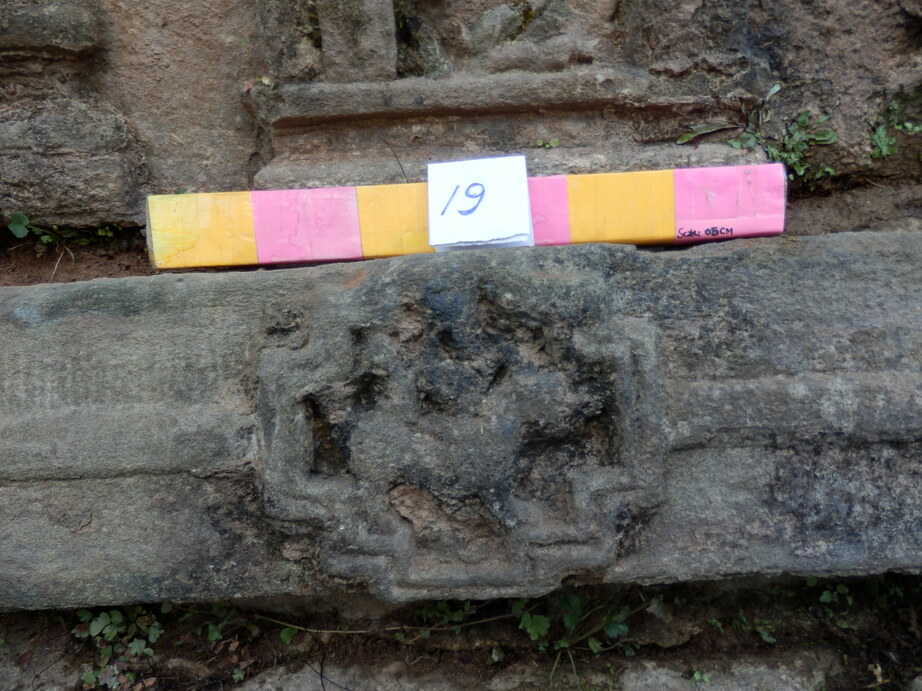
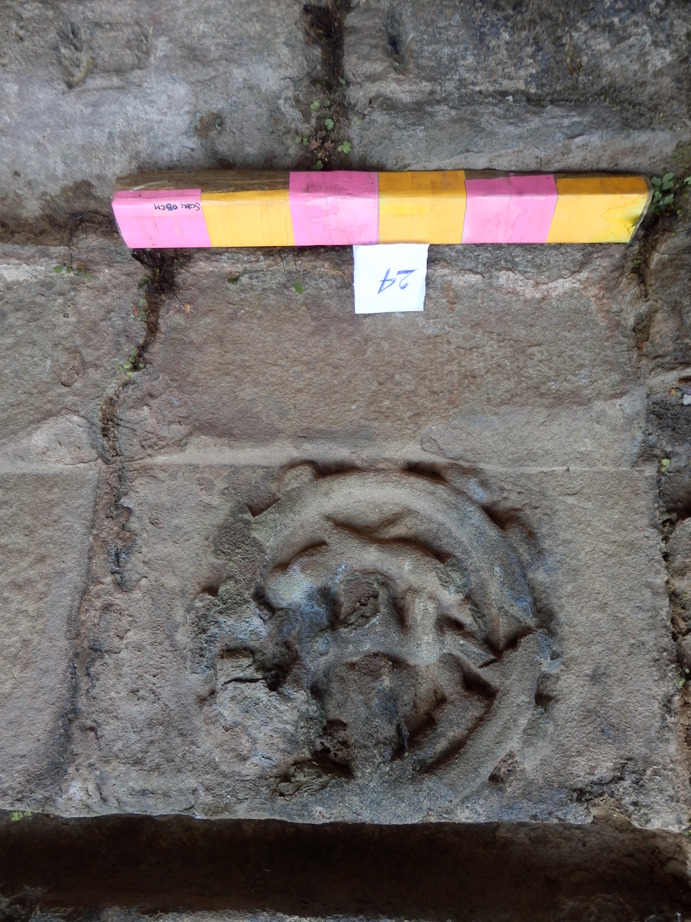
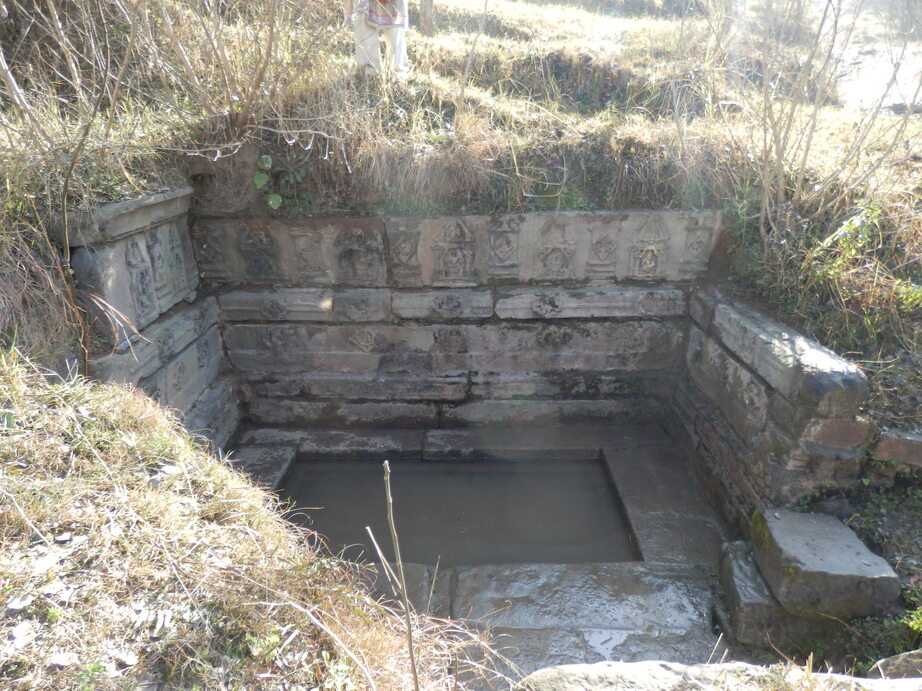
Photographs: Department of Archaeology & Museums national inventory record, displayed from the official source (doam.gov.pk). Not PWHI photography.
- Record ID
- 6685
- Province / territory
- Azad Jammu and Kashmir
- District
- Kotli
- Typology
- Monument
- Subtype
- Baoli (Stepped Well)
- Period
- Historic
- Legal status
- Not Protected — UNVERIFIED; no statute or notification cited
- Coordinates
- 33.35889, 74.03556 — source-provided, not field-verified
- Verification status
- source_record; automatically_standardized; verification_required
- Sources
- Khan, Ashraf, Ghani-ur-Rahman. (2020). Threat to the Cultural Heritage of Pakistan Survey and Documentation of Tangible and Intangible Heritage of Azad Jammu & Kashmir and Gilgit-Baltistan. Taxila Institute of Asian Civilizations, Quaid-i-Azam University, Islamabad 2020.
Found an error in this record? Submit a correction — quote record ID 6685.
Pakistan's Heritage Digital Ecosystem: Heritage Atlas · PWHI · Visual Record · Forum