
Heritage record
Thalpan
Gilgit-BaltistanRock ArtProtected
Thalpan one of the most important rock carvings sites in the upper Indus valley is situated on the right bank of the river, on both sides of the Khinner Gah, only a few km east of Chilas. At this point a suspension bridge makes the access. On the surface of the rocks/boulders on both sides of the gravel road leading to the village Thalpan, one finds carvings partly of superb quality. They are representing various styles from prehistoric up to the post Buddhist time. One of the most outstanding boulders in Thalpan Bridge is the altar rock; K. Jettmar created this name because of its shape and obvious significance. At the surface facing the Indus a couple of drawings are located which belong to the oldest ones of the site. Among them are petroglyphs produced in the manner of the Eurasiatic animal style. A particularly beautiful example is a scene where a two-tailed animal of prey is hunting a stag. Iron age rock carvings in Zanskar and western Tibet represent convincing parallels to the motif. The S hook originally used as a constructive element, is reduced in these carvings to just an ornament, a fact which was already stressed by Jettmar. Some images of men in Persian costume, also represented on the alter rock; can be assigned to the same chronological and cultural horizon. Of special interest is the representation of a man, wearing fringed dress and strap trousers. In his right hand he holds a goat at one of its hind legs; in his left he raises a big butcher`s knife. Undoubtedly, dealing here with a scene of sacrifice. Its execution is far simpler than that from the altar rock. But elements of his costume- coat, Phrygian cap are clearly to identify. In his left hand the man holding a bowl, while his right arm is bended upwards. Not only the images of stupas, which one can see everywhere along the section of the Indus are represented here in large number and many variations- a considerable part of them were discovered. But there are especially the Jataka-scenes and other pictures of legends about Buddha, executed in a comparatively extraordinary quality, which form the special attraction of this site. They show the Rsipancaka-Jataka, the Sibi -Jataka, Buddhas Sermon in the gazelle grove of Benares, Buddhas temptation by Mara`s daughters and Buddha under the tree of enlightenment. These carvings are to be found once more on the altar rock but also on the rock barrier dominating the southeastern part of the Thalpan bridge site. Site is associated to prehistoric till post Buddhist period.
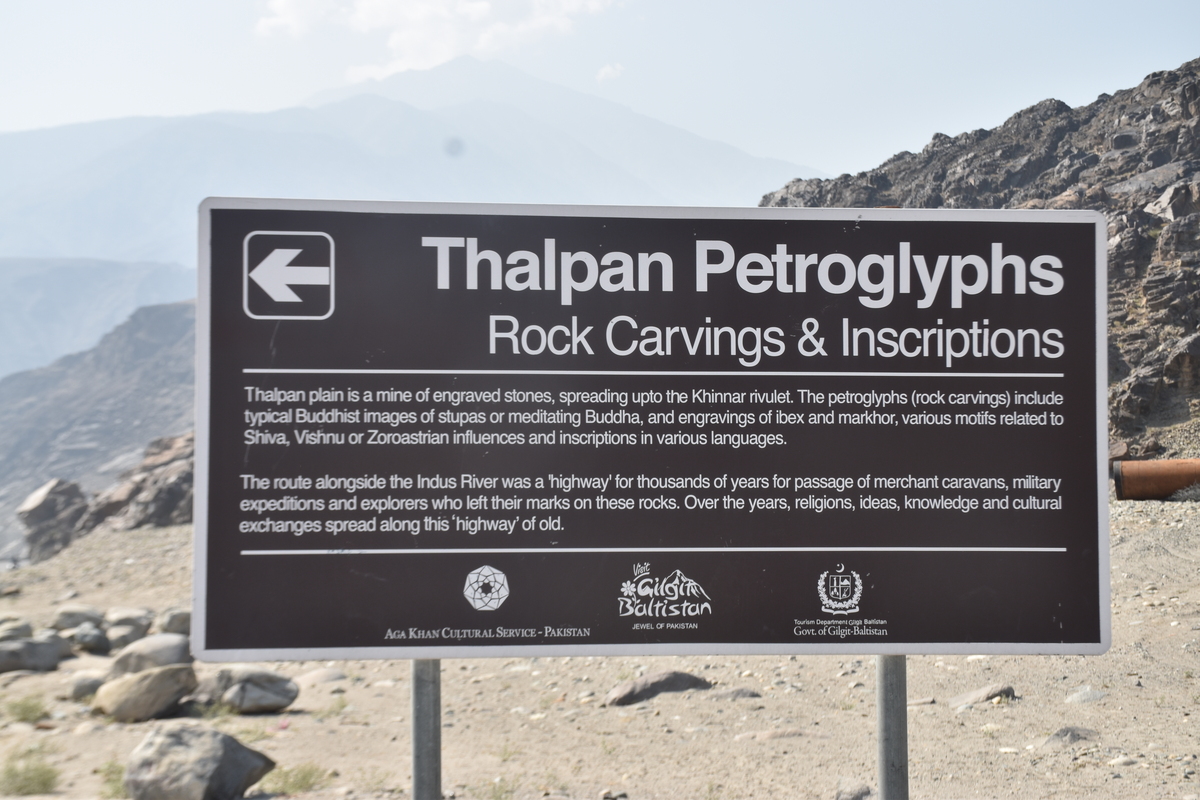
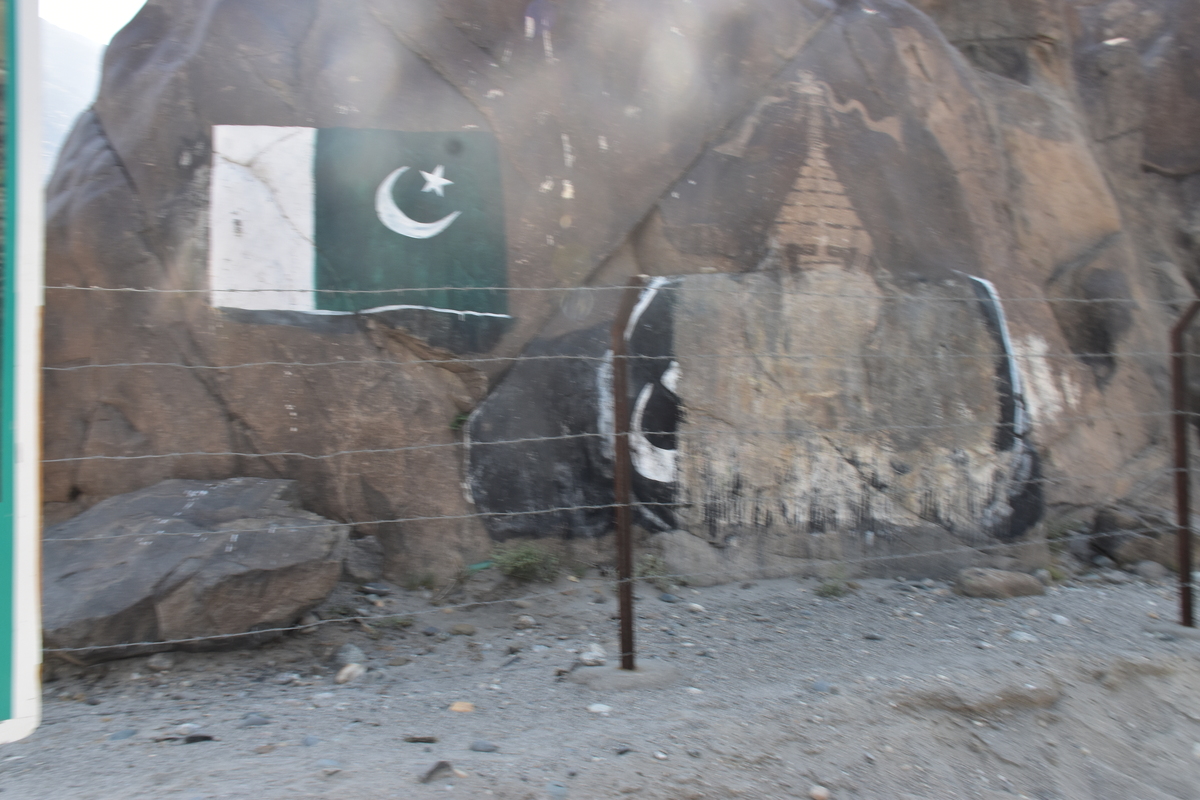
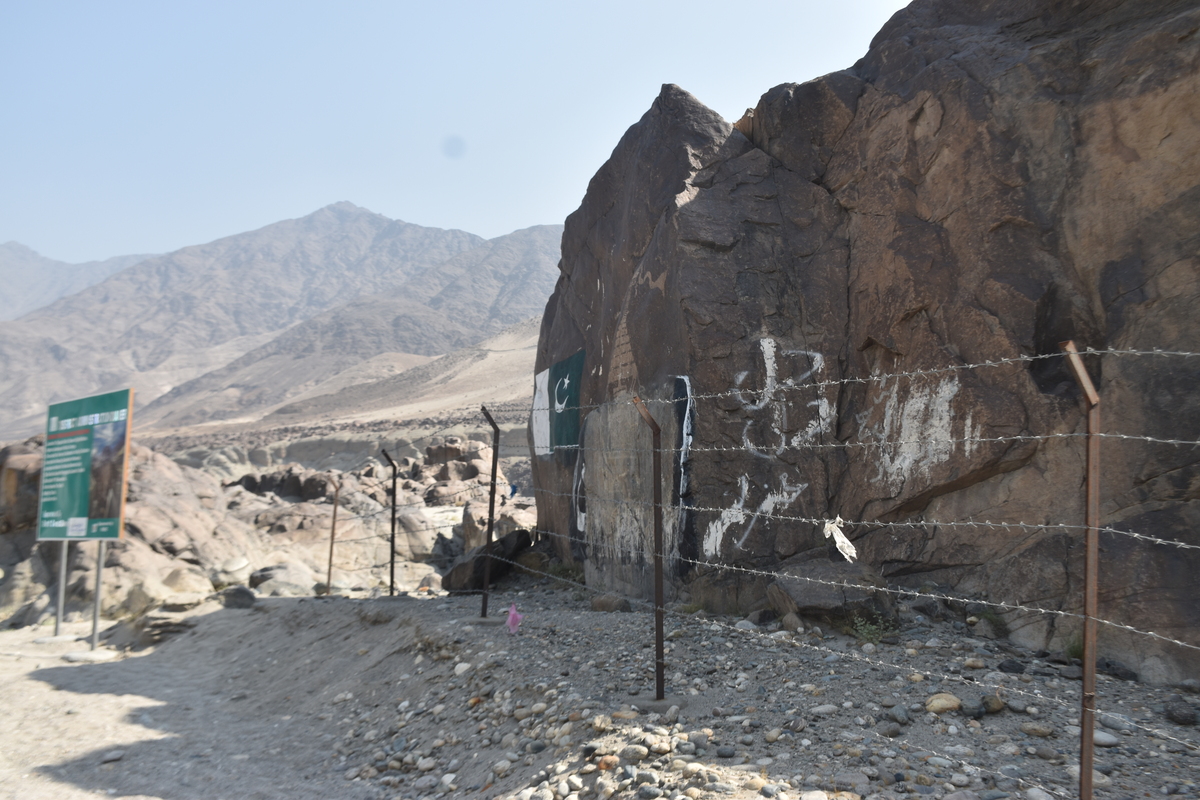
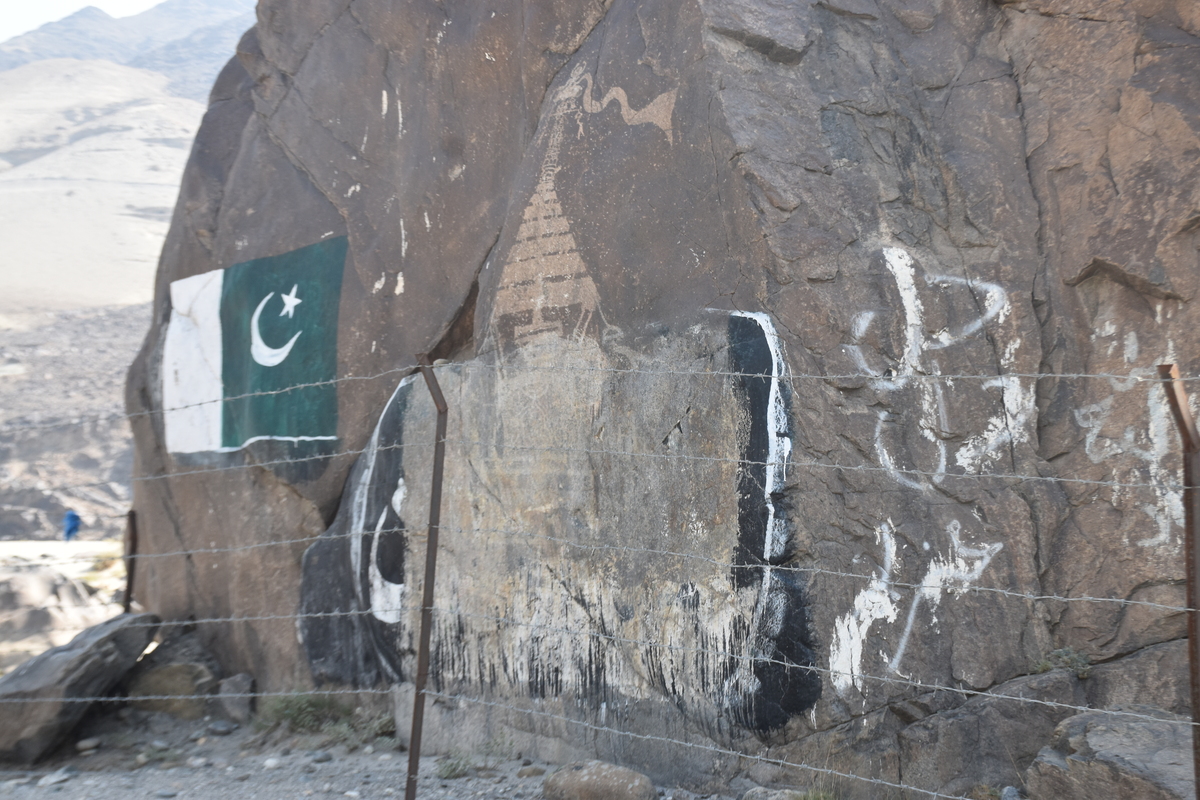
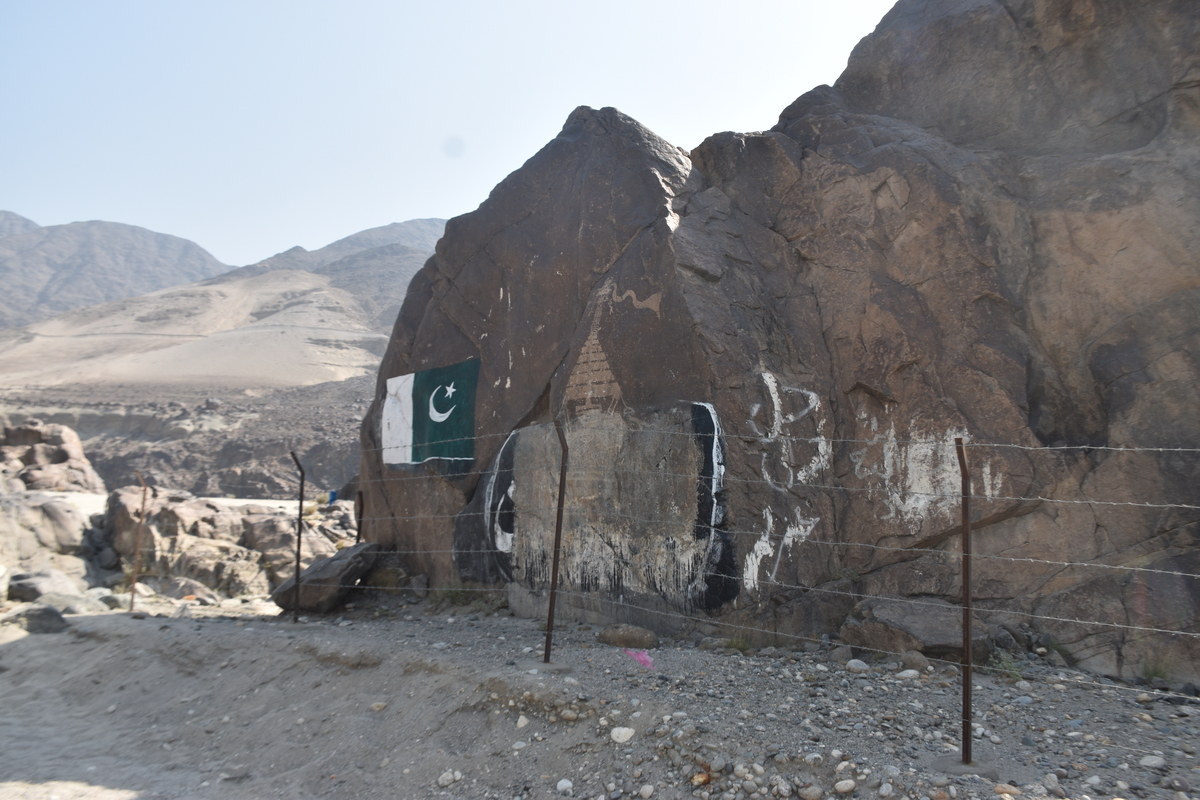
Photographs: Department of Archaeology & Museums national inventory record, displayed from the official source (doam.gov.pk). Not PWHI photography.
- Record ID
- 8278
- Province / territory
- Gilgit-Baltistan
- District
- Diamir
- Typology
- Archaeological Site
- Subtype
- Rock Art
- Period
- Pre Historic
- Legal status
- Not Protected — UNVERIFIED; no statute or notification cited
- Coordinates
- 35.42050, 74.12360 — source-provided, not field-verified
- Verification status
- source_record; automatically_standardized; verification_required
- Sources
- Arif, Muhammad.. (2017). Archaeological Survey of Gilgit-Baltistan by Baltistan Culture and Development Foundation. Unpublished.
Found an error in this record? Submit a correction — quote record ID 8278.
Pakistan's Heritage Digital Ecosystem: Heritage Atlas · PWHI · Visual Record · Forum